
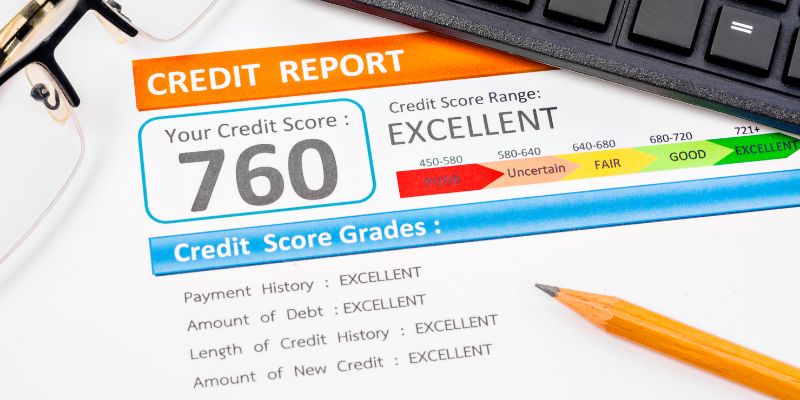
Building credit can feel confusing, especially when you are starting with little or no credit history or trying to recover from past financial mistakes. Your credit profile can affect your ability to qualifyb for credit cards, loans, housing, and other financial opportunities. The good news is that building credit is possible with consistent habits, responsible credit use, and a clear understanding of how your credit profile works.
A credit building coach can help make this process easier to understand. Rather than simply telling you to improve your credit score, a credit building coach can help you understand your current credit situation, identify areas that need attention, and develop practical habits for building a stronger credit profile over time.
At Smarter Credit Financial Service, the goal is to help individuals become more informed about their credit and take practical steps toward better financial habits. Whether you are establishing credit for the first time or working to strengthen an existing profile, having a clear plan can make the process easier to manage.
1. What Is a Credit Building Coach?
A credit building coach is someone who provides education, guidance, and accountability around credit-building strategies. The focus is generally on helping individuals understand their credit reports, credit accounts, payment habits, debt levels, and other factors that can influence their credit profile.
Credit building is not usually an overnight process. Positive credit history develops through consistent financial behavior over time. Experian explains that building credit involves practices such as making payments on time, managing debt responsibly, maintaining appropriate credit utilization, and monitoring your credit information.
A credit building coach may help you:
-
Understand your current credit situation
-
Review your credit reports and identify areas to address
-
Learn how payment history affects credit
-
Understand credit utilization
-
Develop a plan for managing credit card balances
-
Learn about different credit-building options
-
Establish better payment habits
-
Monitor progress over time
-
Avoid common credit mistakes
The role is educational and strategic. A coach can help you understand your options so you can make informed decisions about your own finances.
2. Why Is Building Credit Important?
Your credit history provides a record of how you have handled borrowed money and credit accounts. Credit reports contain information about accounts and payment activity, while credit scoring models use information from credit reports to calculate scores.
A stronger credit profile may be useful when you apply for certain financial products. For example, credit can play a role when applying for an auto loan, mortgage, credit card, or other form of financing. Credit information may also be considered in some housing and other financial situations.
However, building credit should not be viewed simply as a race to reach a particular number. A healthy credit profile is built through responsible habits.
Some of the most important habits include:
Making Payments on Time
Payment history is an important part of credit scoring. Missing payments can negatively affect your credit history, so developing a reliable system for paying bills on time is essential.
A credit building coach can help you create practical routines, such as setting payment reminders, organizing due dates, or reviewing your monthly obligations.
Managing Credit Card Balances
Credit utilization refers to the amount of revolving credit you are using compared with your available credit. Keeping balances manageable can help you maintain responsible credit usage.
For example, if you have a credit card with a $2,000 limit and a $500 balance, your utilization for that card is 25%.
Understanding this concept can help you make more informed decisions about credit card spending and repayment.
Monitoring Your Credit
Regularly checking your credit reports can help you understand what information is being reported and identify information that you do not recognize. Reviewing your reports can also help you stay aware of changes to your credit profile.
3. How Can a Credit Building Coach Help You Create a Plan?
One of the biggest challenges with credit building is knowing where to begin. Every person’s financial situation is different, so the same strategy may not work for everyone.
A credit building coach can help you organize your goals into manageable steps.
For example, someone with no credit history may need a plan for establishing their first accounts. Someone with high credit card balances may need to focus on repayment and responsible utilization. Another person may need to review their credit reports for potentially inaccurate information.
A basic credit-building plan may include:
Step 1: Review Your Credit Profile
Start by understanding where you currently stand. Review your credit reports and identify your open accounts, balances, payment history, and other relevant information.
Step 2: Identify Your Main Challenges
Determine what is currently preventing you from reaching your credit goals. This could include missed payments, high revolving balances, limited credit history, or simply a lack of knowledge about how credit works.
Step 3: Establish Specific Goals
Instead of setting a vague goal such as “get better credit,” create practical goals. Examples could include paying every bill on time, reducing revolving balances, or establishing a positive credit history.
Step 4: Build Consistent Habits
Credit building depends heavily on consistency. A good plan should be realistic enough for you to follow every month.
Step 5: Monitor Your Progress
Review your credit information periodically and adjust your habits when necessary.
At Smarter Credit Financial Service, focusing on education and practical strategies can help clients better understand the steps involved in responsible credit building.
4. What Are Some Ways to Build Credit?
There are several ways consumers may establish or strengthen their credit history. The right approach depends on individual circumstances and eligibility.
Secured Credit Cards
A secured credit card may be an option for someone who has limited credit history or difficulty qualifying for a traditional credit card. These cards typically require a refundable security deposit, which can help reduce the lender’s risk.
If you use a secured card, responsible use is important. Making payments on time and keeping balances manageable can help establish positive credit behavior when the account reports to the credit bureaus.
Becoming an Authorized User
Another potential option is becoming an authorized user on another person’s credit card. If the account issuer reports authorized-user activity, the account’s history may appear on the authorized user’s credit report.
However, the primary cardholder’s financial habits can matter. Someone considering this strategy should understand how the account is managed before becoming an authorized user.
Credit-Builder Loans
A credit-builder loan is specifically designed to help establish credit history. Rather than receiving a traditional loan amount upfront, the structure generally involves making payments toward the loan, with funds becoming available according to the lender’s terms.
It is important to understand the fees, terms, and reporting practices before opening any credit account. Experian notes that consumers considering a credit-builder loan should confirm that the lender reports the account to the credit bureaus.
Reporting Eligible Monthly Bills
Some services may allow eligible recurring payments to be reported to a credit bureau. This can potentially provide another way to add positive payment information to a credit file, depending on the service and eligibility requirements.
A credit building coach can help you understand the differences between these options so you can evaluate which ones may fit your situation.
5. What Credit-Building Mistakes Should You Avoid?
Building credit is not only about knowing what to do. It is also about recognizing behaviors that may make your financial situation more difficult.
Missing Payments
Late or missed payments can negatively affect your credit history. Creating reminders or automatic payment systems may help reduce the risk of forgetting a due date.
Applying for Credit Without a Plan
Opening multiple accounts simply because you want to increase your available credit may not be the right strategy. Every credit application should be considered carefully based on your financial needs and ability to manage the account.
Carrying More Debt Than You Can Afford
Credit cards can be useful financial tools, but spending more than you can comfortably repay can create long-term challenges. Building credit should go hand in hand with responsible budgeting.
Ignoring Credit Reports
If you never review your credit reports, you may not notice unfamiliar accounts or potentially inaccurate information. Monitoring your reports can help you stay informed about your credit profile.
Expecting Overnight Results
Credit building takes time. Experian notes that establishing a strong credit history generally requires consistent, responsible credit management over an extended period.
A coach can help you focus on sustainable progress instead of expecting immediate changes.
6. How Can Smarter Credit Financial Service Help With Credit Building?
Understanding credit is an important part of becoming financially confident. However, many people need help organizing information and turning general credit advice into practical steps.
Smarter Credit Financial Service can provide guidance designed to help individuals better understand their credit-building journey. The process can begin by looking at your current credit situation, identifying areas that may require attention, and discussing responsible strategies for moving forward.
A credit-building approach may include education about:
-
Credit reports and credit scores
-
Payment history
-
Credit utilization
-
Credit accounts
-
Debt management
-
Credit-building options
-
Credit monitoring
-
Financial habits
-
Long-term credit goals
The objective is not to promise a specific credit score or instant results. Instead, the focus should be on helping you understand your credit and develop habits that can support long-term financial progress.
Working with a credit building coach can also provide accountability. Having someone help you understand what you are seeing on your credit reports and explain general credit-building concepts can make the process feel more organized.
Whether you are starting from scratch or trying to improve an established credit profile, education is an important first step.
Conclusion
Building credit is a long-term process that depends on consistent financial habits. Making payments on time, managing credit balances responsibly, monitoring your credit reports, and understanding how different credit accounts work can all contribute to a healthier credit profile.
A credit building coach can help you understand these concepts and organize them into a practical plan based on your individual circumstances. While no legitimate approach can guarantee a specific credit score or instant results, learning how credit works can help you make more informed financial decisions.
If you are ready to better understand your credit and create a more organized approach to building credit, Smarter Credit Financial Service can help you take the next step. Start by learning where your credit stands, identifying your goals, and developing responsible habits that can support your financial future.